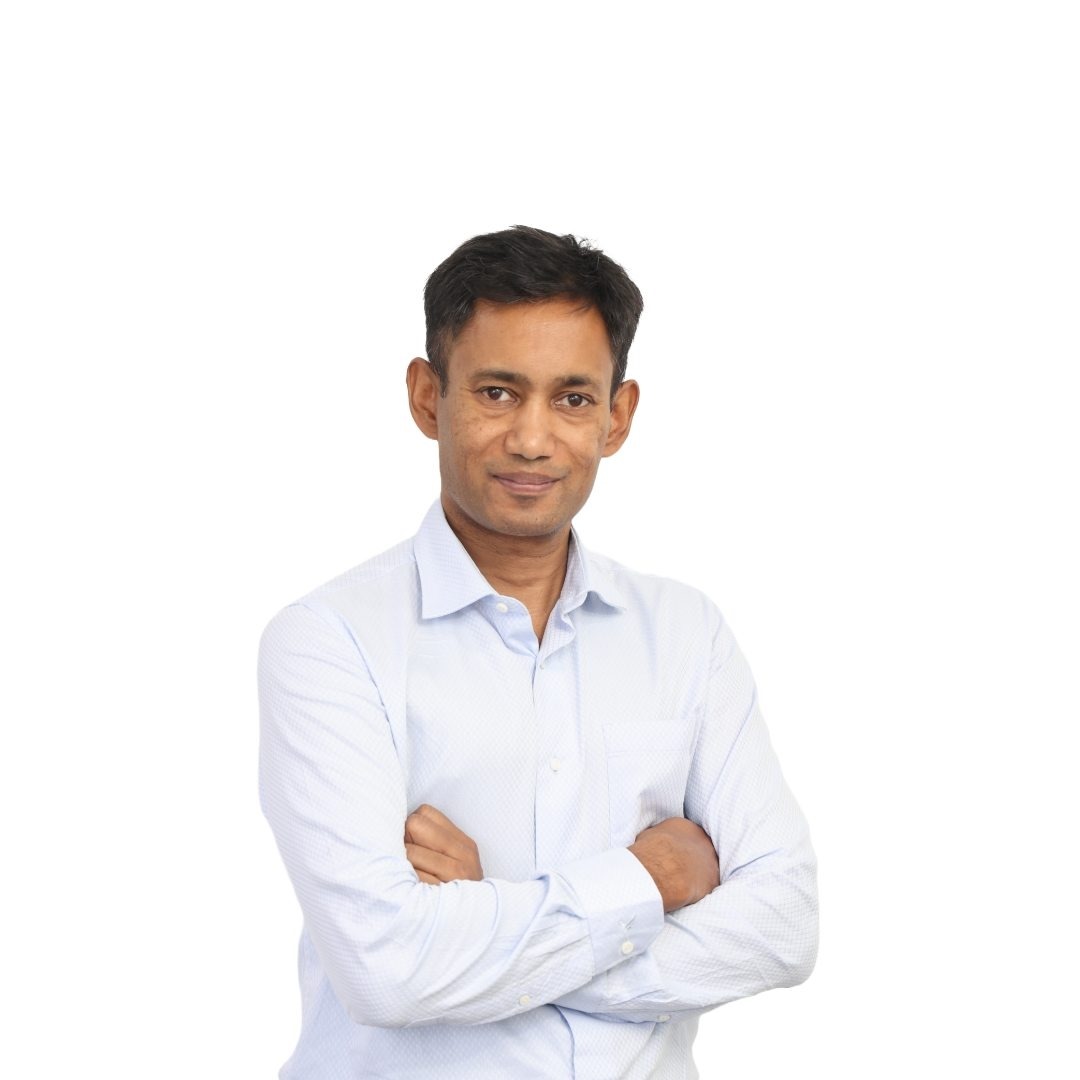
Introduction - Who is Dr. Biswaroop Roy Chowdhury (Lifestyle scientist, naturopathy promoter, DIP Diet founder
Dr. Biswaroop Roy Chowdhury — widely known as Dr BRC — is a prominent figure in the world of natural healing, lifestyle-based treatment protocols, and disease reversal programs. This introduction explains his philosophy, work, and widely discussed methods like the DIP Diet, 72 Hours Cure, and HIIMS hospital approach.
Overview: Who Exactly is Dr BRC?
Dr Biswaroop Roy Chowdhury is known for promoting natural and lifestyle-based solutions for chronic diseases such as diabetes, hypertension, heart disease, obesity, and kidney disorders. He has gained attention through seminars, books, videos, and health programs where he emphasizes that many lifestyle diseases can be reversed through disciplined diet, hydration, and simple routines.
Core Philosophy of His Treatment Approach
The central principle of Dr BRC’s approach is that the body has the inherent ability to heal itself when provided with the right food, water, and lifestyle environment. His protocols focus on:
- Food as Medicine: prioritizing natural, plant-based, and raw foods over supplements or medication where possible.
- Hydrotherapy & Hot Water Immersion: using specific water-based techniques for circulation and detox support.
- Short, intensive healing protocols: such as the 72 Hours Diabetes Cure or 3-Step BP/Sugar protocol designed for quick improvement.
Signature Programs: DIP Diet & HIIMS-Based Treatment
His most popular contribution is the DIP Diet (Disciplined and Intelligent Person's Diet), a structured dietary pattern based on raw fruits, vegetables, hydration cycles, and controlled eating windows. According to him, this diet supports metabolic reset and helps in conditions like diabetes, high blood pressure, and digestive issues.
The HIIMS (Hospital & Institute of Integrated Medical Sciences) centers across India apply these natural treatment models in a clinical setting. These centers are known for programs like kidney reversal, heart wellness, diabetes management, and lifestyle disease reversal without pharmaceutical dependency.
Who Should Read This Guide?
This guide is helpful if you are someone who:
- wants to understand Dr BRC’s complete health philosophy,
- is researching DIP Diet, 72 Hours Cure, or HIIMS hospitals,
- is looking for natural, non-invasive lifestyle-based treatments for chronic diseases,
- wants unbiased information before following any diet or treatment protocol.
What This Article Will Cover
This article gives you a clear and easy-to-understand overview of the key topics related to Dr. Biswaroop Roy Chowdhury and his work. It explains his background, the ideas he promotes, the diets and health programs he is known for, the treatments used in HIIMS hospitals, his books and research, as well as the criticism and support he has received over the years. Each section is written to help you understand his methods and decide what you think about them.
- Dr BRC’s biography, education, qualifications & achievements
- The full DIP Diet chart, rules, benefits & daily routine
- 72-hour diabetes cure & 3-step BP protocol explained
- Kidney treatment using the GRAD system & hot water therapy
- HIIMS hospital locations, facilities & patient programs
- Books, research papers & popular controversies
- Consultation, appointment booking & contact details
- FAQs on age, family, fees, net worth & background
Important Note — Balanced Viewpoint
Disclaimer: Some of Dr BRC’s claims have received criticism from medical professionals and health authorities. This guide aims to present information in a neutral, easy-to-understand way. Readers are encouraged to consult a qualified doctor before making any significant health decisions. This is an educational article and not a substitute for medical advice.
Biography, Early Life, Education & Qualifications of Dr. Biswaroop Roy Chowdhury
A detailed look into the early life, academic background, professional journey, and qualifications of Dr Biswaroop Roy Chowdhury (Dr BRC) — the founder of the DIP Diet and a leading promoter of natural, lifestyle-based disease reversal methods.
Early Life & Background
Dr Biswaroop Roy Chowdhury was born on 23 July 1973 in Haryana, India. From an early age, he showed interest in human physiology, memory techniques, and alternative health sciences. Before entering the field of natural health, he gained popularity as a memory expert, conducting workshops on mind power, learning capabilities, and accelerated memorization techniques.
Over time, he transitioned from memory training to health education, focusing on lifestyle diseases such as diabetes, hypertension, kidney disorders, and heart conditions. His shift toward natural medicine shaped the foundation of what later became the widely known DIP Diet and his integrated health protocols.
Academic Qualifications & Certifications
Dr BRC’s qualifications are a subject of debate, however, the publicly available information and his professional profile state that he has been associated with various international and alternative health bodies. According to his official claims:
- He holds a PhD in Diabetes from an alternative medicine institution.
- He has pursued studies in Naturopathy and Lifestyle Medicine through global programs.
- He has been affiliated with organizations promoting integrated health and non-pharmaceutical disease reversal.
- He has completed diplomas and short-term certifications in topics related to nutrition, dietetics, and metabolic health.
While traditional medical councils do not recognize these alternative qualifications, Dr BRC continues to maintain a strong audience among individuals exploring non-conventional, natural, and lifestyle-based healing methods.
Professional Journey & Milestones
Before becoming a health educator, Dr BRC gained attention for setting memory-related world records and conducting seminars on rapid learning and brain performance. His shift toward healthcare came after observing lifestyle-related illnesses becoming increasingly common in India.
Over the years, he has:
- Founded the DIP Diet (Disciplined and Intelligent Person's Diet), now followed by millions.
- Established the HIIMS Hospital Network offering integrated natural treatment programs.
- Developed condition-specific protocols such as the 72 Hours Diabetes Cure, 3-Step BP Management, and GRAD System for Kidney Patients.
- Authored several books on health, nutrition, and medical systems reform.
- Delivered seminars across India and internationally on lifestyle medicine and disease prevention.
Association with Natural Health Movements
Dr BRC is one of the known voices advocating for drug-free healing and self-reliant health practices. He teaches that many chronic diseases stem from dietary imbalance, dehydration, inactivity, and mental stress — and that reversing these core issues can restore natural health.
His approach inspires thousands of patients looking for alternatives to conventional medication, especially in the areas of diabetes, blood pressure, kidney health, and heart wellness.
Criticism & Public Debate Around Qualifications
Although he has a large following, Dr BRC has also faced criticism from medical associations questioning the validity of his methods and the recognition of his qualifications. Supporters consider him a revolutionary health educator, while critics express concerns about scientific evidence behind some claims.
This section of the article aims to present his background neutrally so readers can make informed decisions.
The DIP Diet Plan: Complete Chart, Rules & Health Benefits
A comprehensive, SEO-optimized guide to the DIP Diet (Disciplined and Intelligent Person's Diet) popularized by Dr. Biswaroop Roy Chowdhury — including the full food chart, daily schedule, strict rules, claimed benefits, sample meal plan, contraindications, and practical tips for following the protocol safely.
What is the DIP Diet?
The DIP Diet (Disciplined and Intelligent Person's Diet) is a structured, lifestyle-centered nutrition plan designed to reset metabolism, improve insulin sensitivity, support kidney and heart health, and reduce dependency on pharmaceutical interventions where possible. The protocol emphasizes whole, natural foods, progressive hydration, limited animal products, controlled meal timing, and short intensive phases for rapid improvement.
Core Principles
- Food as medicine: Prioritize whole fruits, vegetables, sprouts, salads, and plant-based meals over processed foods.
- Hydration-first: Systematic water intake at structured times to support circulation and detoxification.
- Timed eating windows: Specific meal schedules and controlled fasting phases (often short-term intensive protocols).
- Low glycemic focus: Avoid refined carbs, sugars, and high-GI foods to stabilize blood glucose.
- Gradual reintroduction: Reintroduce restricted foods slowly after intensive phases under monitoring.
Full DIP Diet Food Chart (SEO-friendly & Practical)
Below is a usable food chart categorised by allowed, limited, and avoid lists to make on-page recipe creation and internal linking easy for blogs.
Allowed Foods (Daily Foundation)
- Fresh fruits (apples, pears, berries, pomegranate, papaya, guava) — primarily low-to-moderate sugar fruits.
- Raw vegetables & salads (cucumber, carrots, spinach, lettuce, bell peppers, cabbage).
- Steamed or lightly cooked vegetables (broccoli, cauliflower, beans).
- Sprouts & legumes (moong sprouts, chickpea sprouts) — as protein sources.
- Whole grains in moderation (small portions of brown rice, millet, quinoa) depending on protocol phase.
- Nuts & seeds (small portions — almonds, walnuts, flaxseed) — preferably soaked.
- Herbal teas, warm water, and lemon water (no sugar).
Limited / Conditional Foods
- Curd/yogurt (small amounts, preferably homemade) — only in maintenance phases.
- Lean fish or eggs (if non-vegetarian) — sparingly and on physician advice.
- Cooked legumes and pulses — portion-controlled.
- Unrefined oil (olive, coconut) — minimal use.
Foods to Avoid (During Intensive Phase)
- Refined sugar, sweets, desserts, packaged bakery items.
- Processed foods, deep-fried snacks, fast food.
- Refined flours (maida), white rice, white bread.
- High-sugar fruits in large quantities (mango, grapes) during intensive phases.
- Alcohol, sugary drinks, aerated beverages, and packaged juices.
Sample DIP Diet Daily Schedule (Typical Day)
Below is a practical, blog-friendly sample you can present as a table or card on the page.
- 6:00 AM — Hydration: 300–500 ml warm water on waking (can add lemon).
- 6:30–7:30 AM — Gentle activity: Light walk or breathing exercises.
- 8:00 AM — Breakfast: Fruit bowl (apple/pear/berries) + sprouts or a small salad.
- 11:00 AM — Hydration break: 200–300 ml warm water / herbal tea.
- 1:00 PM — Lunch: Large salad, steamed vegetables, small portion of millet/brown rice, and sprouts.
- 4:00 PM — Snack: Roasted chana or a handful of soaked nuts; herbal tea.
- 7:00 PM — Dinner: Light vegetable soup, salad or steamed veggies; avoid heavy carbs late.
- 9:00 PM — Pre-sleep: Warm water (small cup). Avoid late-night eating.
72-Hour / Intensive DIP Phase (Overview)
Dr BRC often promotes short intensive phases (e.g., 72-hour protocols) intended to jumpstart metabolic changes. Typical features:
- Strict plant-based meals with high raw content.
- Increased warm water intake and guided hydrotherapy techniques.
- No added sugars, no refined carbs, minimal oil and salt.
- Daily light activity and rest periods to support recovery.
Practical Rules & Dos and Don’ts
- Follow structured hydration: Drink water at set times instead of sipping continuously. Avoid drinking large volumes with meals.
- Eat simple meals: Avoid combining heavy proteins with dense carbs in the same meal during intensive phases.
- Meal timing matters: Finish dinner early and maintain a 12–14 hour overnight fasting window when possible.
- Monitor blood glucose & blood pressure: If you are diabetic or hypertensive, track levels daily and follow your doctor’s advice.
- Do not abruptly stop prescribed medication: Any medication adjustments must be supervised by a healthcare professional.
- Personalize the plan: Adjust portions and food choices for age, weight, comorbidities, and activity levels.
Claimed Benefits of the DIP Diet (What Followers Report)
- Improved blood sugar stability and reduced glycemic spikes.
- Weight loss and reduced insulin resistance in many participants.
- Improved digestion, clearer skin, and increased energy.
- Reduced reliance on symptomatic medicines for some individuals (under supervision).
- Improved kidney function markers reported in select HIIMS-managed cases (case-by-case).
Evidence, Limitations & Safety Notes
Important: While many follow the DIP Diet and publish anecdotal success stories, scientific validation varies by claim. Some reported improvements are based on short-term interventions and observational monitoring. Key cautions:
- Clinical evidence for complete disease reversal is limited and debated in the medical community.
- Patients with advanced disease (advanced CKD, type 1 diabetes, severe cardiac conditions) should not attempt intensive phases without specialist oversight.
- Always consult your primary physician before starting a major dietary or medication change.
How to Transition to Maintenance
After intensive phases, the DIP Diet recommends gradual reintroduction of a wider variety of foods while keeping core principles intact:
- Keep a majority plant-based plate with whole foods.
- Maintain structured hydration and morning routines.
- Use portion control for grains, dairy, and animal proteins.
- Retest key health markers (HbA1c, fasting glucose, kidney function) within 4–12 weeks to monitor progress.
Sample FAQ (Short for Blog Use)
- Is the DIP Diet suitable for diabetics?
- Many people with type 2 diabetes report improved control on the DIP Diet, but medication adjustments must only be done under medical supervision.
- Can I follow DIP Diet if I have kidney disease?
- Mild kidney dysfunction may benefit from dietary changes, but advanced kidney disease requires close nephrologist guidance; do not begin intensive protocols without clearance.
- How long before I see results?
- Some users report early symptomatic improvements within days; measurable metabolic changes may take weeks to months and vary person-to-person.
72 Hours Cure & 3-Step Diet for Diabetes & Blood Pressure
An in-depth explanation of Dr. Biswaroop Roy Chowdhury’s popular 72 Hours Diabetes Cure and the 3-Step Diet Protocol designed for individuals with diabetes, prediabetes, high blood pressure, and lifestyle metabolic disorders. This section outlines the complete process, meal pattern, hydration schedule, claimed benefits, safety notes, and scientific considerations.
What is the 72 Hours Cure?
The 72 Hours Cure is a short-term intensive dietary and hydration protocol promoted by Dr BRC for rapid improvement in blood sugar, blood pressure, inflammation, and metabolic symptoms. The idea is to give the body a temporary break from heavy digestion, allowing natural healing mechanisms to reset insulin sensitivity and improve blood circulation.
Core Goals of the 72-Hour Protocol
- Stabilize blood glucose without external medication adjustments.
- Reduce blood pressure fluctuations using natural hydration cycles.
- Improve gut health through fiber-rich meals.
- Enhance energy levels and decrease metabolic load.
- Prepare the body for longer-term lifestyle changes like the DIP Diet.
Complete 72-Hour Cure Structure
The protocol is typically divided into three key days, each with its own meal schedule and hydration rules.
Day 1 — Hydration Reset + Light Raw Foods
- Begin the day with warm water (300–500 ml).
- Consume fruits with high fiber and low/medium sugar (apple, papaya, guava).
- Drink warm water every 2–3 hours.
- Eat salads made from cucumber, carrot, beetroot, tomatoes.
- No grains, dairy, or heavy cooked foods.
Day 2 — Raw Food & Vegetable Dominance
- Continue hydration schedule.
- Large breakfast fruit bowl + sprouts.
- Lunch of raw salad + steamed vegetables.
- Evening—small portion of soaked nuts or herbal tea.
- No salt, oil, sugar, or packaged foods.
Day 3 — Controlled Meal Window (Metabolic Reset Day)
- Follow same hydration routine.
- One major raw meal + one light cooked meal allowed (optional).
- Dinner should be before 7 PM.
- No heavy carbs or fried foods.
- Sleep early to support hormonal balance.
Followers often report reduced fasting glucose, improved BP readings, and better digestion within 72 hours, although results vary per individual.
The 3-Step Diet for Diabetes & BP (Long-Term Model)
Along with the 72-hour cure, Dr BRC also promotes a 3-Step Diet Model which can be continued after the 72-hour phase or used independently. It focuses on three structured interventions to stabilize insulin response and blood pressure naturally.
Step 1 — Morning Fruit Meal (Natural Sugar + Fiber Release)
- Eat only fruits for breakfast.
- Choose low/medium-GI fruits: apple, pear, guava, papaya, berries.
- Benefits: supports liver glucose release, improves bowel movement, reduces inflammation.
Step 2 — Afternoon Salad + Low-Oil Meal
- A large raw salad bowl before lunch.
- Lunch with steamed vegetables + small grain portion (millet/brown rice).
- Benefits: prevents post-meal sugar spikes, supports steady BP, enhances nutrient absorption.
Step 3 — Early Light Dinner (Before 7 PM)
- Soups, steamed veggies, or a salad-only dinner.
- No fried, oily, dairy-heavy, or starchy foods.
- Benefits: overnight fasting window improves insulin sensitivity and reduces BP fluctuations.
Claimed Benefits of the 72-Hour Cure & 3-Step Diet
- Better fasting and post-meal blood glucose control.
- Reduced dependency on medications (only under medical supervision).
- Reduced inflammation and water retention.
- Weight loss and lowered insulin resistance.
- Improved digestion, energy levels, and sleep quality.
- Lower blood pressure for hypertensive individuals.
Who Should Try This Protocol?
- Individuals with type 2 diabetes or prediabetes.
- People with borderline or mild hypertension.
- Those with obesity or metabolic syndrome.
- Individuals looking for a short-term detox reset.
Contraindications (Who Should NOT Follow Intensive Protocols)
- People with type 1 diabetes.
- Individuals on insulin therapy unless monitored closely by a doctor.
- Pregnant or breastfeeding women.
- Patients with severe kidney or heart disease.
- Anyone with a history of eating disorders.
Safety Note & Medical Disclaimer
While many people report improvements, the 72-hour cure is considered highly restrictive and should be followed carefully. Clinical evidence varies, and results depend on individual health conditions. Medication changes should not be attempted without a licensed physician’s approval.
Kidney Treatment: GRAD System & Hot Water Immersion Therapy
A complete guide to Dr. Biswaroop Roy Chowdhury’s GRAD System and Hot Water Immersion Therapy — two natural, lifestyle-based approaches promoted for kidney recovery, enhanced filtration, and improved creatinine levels.
Understanding Chronic Kidney Disease (CKD)
Chronic Kidney Disease (CKD) is a progressive condition where the kidneys lose their ability to filter waste and balance fluid levels. Symptoms usually appear in advanced stages, and conventional treatment often involves medication, dialysis, or transplant.
Dr BRC’s kidney protocols focus on supporting the body’s natural ability to improve circulation, hydration, and metabolic load — aiming to reduce strain on the kidneys.
What is the GRAD System?
The GRAD System is a structured kidney recovery protocol introduced by Dr BRC. GRAD stands for:
- G — Glucose Control: stabilizing blood sugar to reduce kidney load.
- R — Restoring Hydration: optimizing fluid intake for better filtration.
- A — Alkalizing Diet: consuming plant-based, low-acid foods.
- D — Detoxification Support: through raw foods, hydration & sweating.
According to Dr BRC, following the GRAD System consistently may help improve parameters such as creatinine, urea, potassium, and GFR — but individual outcomes vary and should be monitored medically.
Detailed Breakdown of the GRAD System
1. Glucose Control (Low Glycemic Approach)
- Reduce refined carbohydrates, sugar, bakery items, and white rice.
- Focus on fruits, salads, sprouts, and low-GI plant foods.
- Manage blood glucose to minimize nephron stress.
2. Restoring Hydration (Structured Water Intake)
- Drink warm water at specific intervals throughout the day.
- Avoid water during meals to prevent digestive overload.
- Stay within safe hydration limits to avoid fluid retention.
3. Alkalizing Diet (Kidney-Friendly Foods)
- Raw vegetables like cucumber, tomato, spinach, beetroot, carrot.
- Low-salt, low-protein meals.
- Avoid red meat, processed food, and high-phosphate items.
- Promote pH balance and reduce metabolic acidity.
4. Detoxification Support (Elimination & Healing)
- Raw food meals for reduced toxin load.
- Hydration + sweat-based detox (via hot water therapies).
- Daily walking or mild activity for improving circulation.
What is Hot Water Immersion Therapy?
Hot Water Immersion Therapy is a hydrotherapy technique where the patient immerses the body (up to the chest level) in warm water at a controlled temperature. According to Dr BRC, this helps increase blood flow, reduce inflammation, and support kidney filtration.
How Hot Water Immersion Works
- Warm water promotes vasodilation (blood vessel expansion).
- Improved circulation supports kidney oxygenation.
- Muscle relaxation reduces systemic stress and BP levels.
- Induces sweating, which helps eliminate toxins through the skin.
Typical Hot Water Immersion Routine
- Water temperature: 40–42°C (104–107°F) — based on tolerance.
- Duration: 10–20 minutes per session.
- Frequency: 1–2 times daily (as recommended by HIIMS protocols).
- Post-therapy: rest for 15 minutes + adequate warm hydration.
Combined Effect: GRAD + Hot Water Therapy
Dr BRC suggests that combining the two approaches may support improvements such as:
- Reduced creatinine and urea levels (case-based reports).
- Improved kidney filtration rate (GFR).
- Reduced swelling, fatigue, and BP fluctuations.
- Better appetite and digestive improvements.
- Lowered inflammation and metabolic stress.
Who May Benefit from These Protocols?
- Individuals with early-stage CKD (Stage 1–3).
- People with lifestyle-induced kidney issues (diabetes/BP related).
- Patients seeking natural kidney-supportive nutrition.
- Those under HIIMS-guided case management programs.
Who Should NOT Try These Methods Without Supervision
- People with advanced CKD (Stage 4–5) unless supervised.
- Dialysis patients (must follow nephrologist guidance).
- Heart patients with fluid restrictions.
- Individuals with uncontrolled diabetes or BP.
- Elderly patients with medication-dependent conditions.
Medical Disclaimer
While many patients report symptomatic improvements under HIIMS programs, scientific evidence varies and individual results depend on medical history. These protocols are not a substitute for medical treatment. Kidney patients must consult a nephrologist before beginning any protocol.
HIIMS Hospital: Locations, Treatments & Facilities
A detailed overview of HIIMS (Hospital & Institute of Integrated Medical Sciences), established under the guidance of Dr. Biswaroop Roy Chowdhury, offering lifestyle-based disease reversal programs, non-pharmaceutical treatment models, and integrated health services across India.
What is HIIMS Hospital?
HIIMS is a healthcare model designed around natural medicine, integrated therapies, and evidence-inspired lifestyle programs. The hospitals are known for their focus on diabetes reversal, kidney health improvement, heart wellness, BP management, and metabolic recovery without heavy reliance on conventional medication.
HIIMS facilities combine diet-based interventions (like the DIP Diet), hydrotherapy, hot water immersion therapy, yoga, physiotherapy, and structured monitoring to support long-term recovery.
Key Principles of HIIMS Treatment
- Natural healing first: Food, water, and lifestyle changes as primary tools.
- Reverse before treat: Focus on disease reversal instead of symptom suppression.
- Minimal medications: Attempt reduction under supervised medical conditions.
- Patient education: Teaching patients how to maintain long-term health independently.
- Holistic care: Integrating physical, mental, and nutritional therapies.
Major Treatments Offered at HIIMS
1. Diabetes Reversal Program
- 72 Hours Diabetes Cure protocol.
- 3-Step Meal Plan for lifelong stabilization.
- Medication reduction under medical supervision.
2. Kidney Treatment (GRAD System)
- GRAD Protocol for creatinine and GFR improvement.
- Hot Water Immersion Therapy.
- Low-protein, high-hydration kidney-support diet.
3. Heart Disease & BP Management
- Natural blood pressure stabilization techniques.
- Plant-based diet for cholesterol improvement.
- Stress-reduction therapies & yoga sessions.
4. Weight Loss & Metabolic Disorder Management
- DIP Diet-based intensive plans.
- Fat-loss detox protocols.
- Personalized lifestyle coaching.
5. Chronic Illness Recovery Programs
- Arthritis, thyroid, PCOS, fatty liver, and digestive issues.
- Inflammation reduction through plant-rich diets.
- Daily activity + hydrotherapy routines.
HIIMS Hospital Locations in India
HIIMS has multiple branches across India, operating lifestyle-based treatment programs.
- HIIMS Faridabad (Haryana) — flagship center offering kidney, diabetes, and heart reversal programs.
- HIIMS Lucknow (Uttar Pradesh) — known for diabetes reversal camps and metabolic care.
- HIIMS Pune (Maharashtra) — major center for lifestyle medicine and cardiac wellness.
- HIIMS Hyderabad (Telangana) — specialized programs for kidney and BP management.
- HIIMS Chandigarh / Mohali (Punjab) — focused on integrative care and DIP Diet interventions.
- HIIMS Jaipur (Rajasthan) — natural health and detoxification programs.
Additional satellite centers, naturopathy clinics, and partner HIIMS wellness units are also operational in different states, offering outpatient-based programs.
Facilities Available at HIIMS Hospitals
- Integrated OPD & IPD units for natural and lifestyle-based treatment.
- Dedicated DIP Diet kitchens providing therapeutic meals.
- Hydrotherapy rooms including hot water immersion setups.
- Monitoring labs for blood sugar, creatinine, and metabolic markers.
- Yoga & physiotherapy halls for mind-body recovery.
- Patient education workshops on nutrition, disease reversal, and lifestyle coaching.
- 24/7 patient support system (varies by location).
Common Conditions Treated at HIIMS
- Diabetes (Type 2), Prediabetes
- Hypertension & Cardiac Issues
- Chronic Kidney Disease (CKD)
- Obesity & Fatty Liver
- Thyroid Disorders
- PCOS & Hormonal Imbalances
- Arthritis & Joint Pain
- Digestive Disorders, Acidity & IBS
Why Many Patients Choose HIIMS
- Holistic natural care instead of medication-heavy treatment.
- Personalized diet and lifestyle plans.
- Non-invasive treatment philosophy.
- Supportive environment with trained lifestyle coaches.
- Focus on long-term disease reversal, not just symptom relief.
Limitations & Important Notes
- Not a replacement for emergency or advanced medical care.
- Results vary by patient condition, age, and stage of disease.
- Critical patients must continue regular medical supervision.
- Some claims remain controversial and debated by medical bodies.
Research Papers & Famous Books by Dr. Biswaroop Roy Chowdhury (Including Heart Mafia)
A comprehensive overview of the major research studies, publications, educational work, and bestselling books authored by Dr Biswaroop Roy Chowdhury. This includes his most popular and controversial titles like Heart Mafia, along with other lifestyle-focused papers and natural-health guides that shape his medical philosophy.
Overview of Dr BRC’s Research Approach
Dr BRC’s research primarily focuses on lifestyle medicine, nutrition-based healing, diabetes reversal, kidney recovery, heart wellness, and integrated natural healthcare. Much of his work belongs to the alternative medicine domain and aims to explore how diet, hydration, and simple lifestyle modifications can impact chronic illnesses.
Although his research is debated in mainstream medical communities, his findings have created large public interest and sparked national conversations on natural healing and disease reversal.
Key Research Areas
- Metabolic disease reversal: Observational studies on diabetes, BP, and cholesterol improvements through plant-based diets.
- Kidney function improvement: GRAD System and hot water immersion therapy outcomes reported through HIIMS centers.
- Heart wellness: Dietary impact on arterial plaque, inflammation, and cardiac load.
- Nutritional patterns: High-raw, low-oil, plant-centered eating models.
- Non-pharma health models: Reduced medication dependency under guided protocols.
Research Papers & Health Findings (SEO-Ready Summary)
Dr BRC has authored and co-authored several papers, reports, and health documents. Common topics include:
- Disciplined and Intelligent Person's Diet (DIP Diet) and its effect on diabetic patients.
- Impact of high-fiber raw foods on insulin resistance.
- Benefits of hydrotherapy and sweating on kidney parameters.
- Case-based outcomes from HIIMS kidney reversal programs.
- Observational data from diabetes reversal camps across India.
- Reports on cholesterol and BP improvement through plant-based diets.
These publications commonly appear in natural health journals, lifestyle medicine portals, organizational reports, and educational material distributed through HIIMS.
Famous Books by Dr Biswaroop Roy Chowdhury
Dr BRC is the author of several bestselling books on healthcare, nutrition, medical reforms, and disease prevention. His books are widely circulated and often used in awareness programs, seminars, and online health courses.
1. Heart Mafia
Heart Mafia is one of Dr BRC’s most popular and controversial books. It challenges mainstream cardiac healthcare practices and promotes natural alternatives for preventing and managing heart disease.
Main themes covered:- How diet influences arterial blockage and heart performance.
- Why many heart procedures may be unnecessary (as per the author's claim).
- Role of lifestyle changes in reversing heart conditions.
- Natural ways to strengthen heart function.
Although heavily debated, Heart Mafia has gained massive popularity due to its bold claims and alternative perspectives on heart treatment.
2. Girl Child
A book focusing on social awareness, women’s safety, and empowerment, reflecting Dr BRC’s interest in humanitarian subjects beyond health.
3. How to Reverse Diabetes in 72 Hours
This book explains the detailed methodology of the 72-hour cure, including meal plans, hydration schedules, and natural techniques for supporting insulin function. It remains highly popular among diabetes reversal enthusiasts.
4. The DIP Diet Book
A complete guide to the Disciplined and Intelligent Person's Diet, explaining food charts, rules, benefits, recipes, and lifestyle practices. This book is often used by coaches, clinics, and HIIMS centers.
5. End of Illness
A book outlining Dr BRC’s beliefs on the root causes of major lifestyle diseases, advocating for drug-free healing and self-managed health practices.
6. Goodbye Diabetes
Focuses on plant-based dietary strategies, the role of hydration, and simple lifestyle techniques for diabetes reversal.
7. Other Books
- Woman: The Masterpiece
- Medical Healthcare: The Truth Untold
- The 3-Step Protocol
- The Science of Self-Healing
- Memory Power & Brain Performance (early books)
Impact & Public Response
- Supporters credit these books for transforming their understanding of health and lifestyle.
- Medical communities often critique the lack of peer-reviewed controlled studies.
- Many books are used in awareness camps, HIIMS patient education, and DIP Diet workshops.
- Several titles rank highly on Google searches related to natural disease reversal.
Guinness World Records & Achievements of Dr. Biswaroop Roy Chowdhury
A detailed overview of the Guinness World Records, awards, recognitions, and major achievements associated with Dr. Biswaroop Roy Chowdhury — covering his early career as a memory expert, public health educator, author, and founder of natural lifestyle-based health programs.
Overview of Dr BRC’s Achievements
Dr BRC has earned wide recognition in various fields, including memory enhancement, education, health awareness, social initiatives, and lifestyle medicine. His achievements span public platforms, world records, and large-scale health movements across India.
Guinness World Records
Dr Biswaroop Roy Chowdhury has been associated with multiple Guinness World Records for exceptional memory-related feats and large-scale learning activities. Some highlighted categories include:
- Fastest Human Calculator–Style Memory Demonstrations: Noted for extraordinary speed in memorization and recall exercises.
- Memory Training Mega Events: Large gatherings where participants learned rapid memorization techniques.
- Record-Based Education Programs: Events focusing on teaching children and adults the science of accelerated learning.
These accomplishments significantly shaped his early public image before he transitioned into natural healthcare and lifestyle-based medical programs.
Major Achievements & Career Milestones
1. Transition from Memory Expert to Health Educator
Although he first gained recognition as a memory master, Dr BRC expanded his career into health education, focusing on diabetes reversal, kidney wellness, heart health, and integrated medicine.
2. Founder of the DIP Diet Movement
The DIP Diet (Disciplined and Intelligent Person's Diet) is now followed by millions worldwide for lifestyle disease management, metabolic recovery, and natural healing.
3. Establishment of HIIMS Hospitals
Dr BRC played a key role in creating the HIIMS network, a series of integrated medical centers focused on natural therapies, hydrotherapy, kidney protocols, cardiac care, and diabetes reversal.
4. Author of 25+ Books
His books cover a wide range of topics including disease reversal, nutrition, diabetes, cardiac health, lifestyle science, social issues, and medical reform advocacy.
5. Global Health Seminars & Public Programs
- Conducted workshops in India, UAE, Southeast Asia, and Africa.
- Hosted online DIP Diet and disease reversal courses attended by thousands.
- Organized community-based camps for diabetes management.
6. Social Awareness & Education Initiatives
- Programs promoting child safety and women’s empowerment.
- Campaigns for affordable natural healthcare accessibility.
- Public awareness events on drug-free healing practices.
Impact of His Achievements
- Inspired millions to rethink their lifestyle, diet, and approach to chronic diseases.
- Enabled thousands of patients to seek natural alternatives for diabetes and kidney support at HIIMS.
- Helped popularize plant-based diets and lifestyle correction in India.
- Created large online communities around DIP Diet, self-healing, and natural treatment methods.
- Increased debate in India regarding natural medicine vs. conventional care.
Controversies Around Achievements
While his achievements attract widespread public attention, they also spark debate. Critics argue that some of his health-related claims require more clinical verification, while supporters consider him a pioneer of holistic healing in India.
Recognition from Followers & Community
- Strong follower base across social media platforms.
- Large participation in diabetes reversal camps and online workshops.
- High demand for books like Heart Mafia and DIP Diet guides.
- Positive testimonials from individuals who report improvements in health markers.
Criticism, Reviews & Medical Controversies
A balanced and SEO-optimized overview of the criticism, public reviews, controversies, medical concerns, and debates surrounding Dr. Biswaroop Roy Chowdhury’s healing methods, research claims, and healthcare model.
Overview of the Controversy
While Dr. Biswaroop Roy Chowdhury has a large follower base and thousands of success stories, his approaches—especially related to diabetes reversal, kidney treatment, BP protocols, and cardiac care—have faced strong criticism from mainstream medical communities. Many of his claims challenge conventional medical guidelines, leading to ongoing debates on effectiveness, evidence, and safety.
Main Areas of Criticism
1. Lack of Peer-Reviewed Clinical Studies
One of the most common criticisms is that many of Dr BRC’s health claims, such as “72 Hours Diabetes Cure” or “Natural Kidney Reversal,” are based on observational outcomes rather than large-scale, peer-reviewed scientific trials.
- Medical institutions often demand stronger clinical evidence.
- Most data comes from HIIMS patient reports and internal case studies.
- Critics argue that more scientific scrutiny is required.
2. Claims of Reversing Chronic Diseases
Statements about completely reversing diabetes, kidney disease, or heart blockages without medication or surgery have sparked debates.
- Doctors warn that such claims can be misleading to high-risk patients.
- Supporters insist that many lifestyle diseases do improve with diet.
3. Controversial Book Content (e.g., Heart Mafia)
Books like Heart Mafia criticize mainstream cardiology practices, angioplasty, and bypass surgery. This has led to:
- Strong pushback from cardiologists and medical associations.
- Discussions about misinformation vs. alternative perspectives.
- Supporters appreciating the exposure of unnecessary treatments.
Regulatory & Legal Challenges
Over the years, Dr BRC’s programs have occasionally drawn attention from regulatory bodies concerning:
- Licensing of alternative medicine practices.
- Claims made in advertisements or public seminars.
- Compliance with medical safety protocols in treatment programs.
While no large-scale legal action is widely reported, the scrutiny highlights concerns about the clinical validity of alternative health systems.
Public Reviews & Support
Despite criticism, Dr BRC enjoys strong support from patients who report improvements or recovery through his methods. Social media, YouTube testimonials, and HIIMS feedback channels contain thousands of positive reviews.
Common Positive Reviews
- Improved blood sugar, BP, and kidney markers.
- Weight loss and better energy levels.
- Reduction or stopping of medications (under supervision).
- Clear, structured guidance via DIP Diet programs.
- Holistic, non-invasive treatment philosophy.
Medical Community Reviews
Doctors and medical experts often provide critical reviews of his methodologies. Concerns include:
- Oversimplification of complex diseases.
- Potential risk for patients who stop medicines abruptly.
- Lack of documented randomized controlled trials.
- Variability in patient outcomes.
Many physicians agree that lifestyle changes are powerful but caution that they must complement—not replace—medical treatment, especially in severe conditions.
Common Controversies Associated with Dr BRC
- Promoting drug-free healing for severe diseases.
- Questioning modern cardiology procedures.
- Challenging diabetes and kidney treatment protocols.
- Criticism of pharmaceutical industries.
- Statements against established medical systems.
Balanced Perspective
Supporters view Dr BRC as a revolutionary health educator who empowers people to take charge of their wellbeing. Critics view him as a promoter of unverified natural claims. The truth likely lies between these extremes — where lifestyle changes can offer significant benefits, but medical supervision remains essential for chronic or advanced-stage illness.
Important Safety Note
Patients should never discontinue prescribed medication without a doctor’s guidance. Natural or lifestyle-based treatment can complement medical care, but it cannot replace emergency or critical intervention.
How to Book Appointment & Contact Details — HIIMS / Dr. Biswaroop Roy Chowdhury
Practical step-by-step guidance to book consultations, in-person appointments, teleconsultations, and follow-up visits with HIIMS centers and Dr. Biswaroop Roy Chowdhury’s clinics. Includes contact channels, what to expect, required documents, cancellation policy, and preparation tips.
Primary Contact Channels
- Official Hospital Phone: Call the local HIIMS center for appointments, OPD timings, and immediate queries. (Check your nearest HIIMS centre for exact number.)
- Online Appointment Form: Most HIIMS centers provide a web form to book initial consultations. Fill basic details—name, age, chief complaint, preferred date/time, and contact number.
- Email: Send medical history, recent reports, and preferred appointment slots to the HIIMS appointment email (use the email listed on the official HIIMS website for the specific branch).
- WhatsApp / SMS Booking: Many centers accept WhatsApp messages for quick slot reservations and sending patient intake forms.
- Teleconsult / Video Call: For remote patients, request a teleconsultation — upload reports in advance for clinician review.
- Walk-in OPD: Limited walk-in OPD slots are usually available; however, booking in advance is recommended to avoid long waits.
Step-by-Step Appointment Booking (Recommended)
- Step 1 — Identify Nearest HIIMS Center: Find the most convenient HIIMS branch (Faridabad, Lucknow, Pune, Hyderabad, etc.) based on services offered.
- Step 2 — Prepare Medical Documents: Collect recent lab reports (HbA1c, fasting/postprandial glucose, creatinine, eGFR, lipid profile, ECG), previous prescriptions, and a brief medical history.
- Step 3 — Choose Consultation Type: Select OPD visit, inpatient program (for intensive treatments), or teleconsult depending on urgency and travel ability.
- Step 4 — Book Online or Call: Use the center’s online booking form, email, WhatsApp, or phone number to request slots. Provide preferred dates and upload reports if asked.
- Step 5 — Confirmation & Pre-Assessment: The hospital will confirm the appointment, share intake forms, and may request preliminary payment or deposit for inpatient programs.
- Step 6 — Day of Appointment: Arrive 15–30 minutes early with all documents, medication list, and ID proof. For teleconsults, ensure a stable internet connection and that reports are uploaded.
What to Bring for Your Visit
- Photo ID (Aadhaar, passport, driving license)
- All recent medical reports and lab tests (digital copies accepted)
- Current medication list (names, doses, timing)
- Referral letter from your doctor (if applicable)
- Insurance card/details (if you intend to use insurance)
- Comfortable clothing for hydrotherapy or physical assessments
How to Book Specific Programs (e.g., DIP Diet Camp, Kidney Program)
Intensive programs (inpatient DI P camps, GRAD kidney programs, or 72-hour supervised cures) usually require:
- Pre-program medical evaluation and lab tests.
- Advance booking and deposit payment.
- Agreement to follow the program protocols and daily schedule.
- Clearance from your primary physician if you are on critical medications (insulin, dialysis, cardiac drugs).
Teleconsultation: How It Works
- Book a teleconsult slot via the center’s website or phone.
- Upload medical reports at least 24–48 hours prior to the call.
- Receive a secure video call link or WhatsApp call at the scheduled time.
- Clinician reviews reports, provides recommendations, and issues follow-up prescriptions or in-person referral if required.
Appointment Fees, Deposits & Payment Options
Fees vary by center and consultation type. Typical models include:
- OPD consultation fee: Standard clinician fee for first visit.
- Teleconsult fee: Usually lower than in-person visits.
- Inpatient program deposit: Advance deposit required for intensive camps; final billing after discharge.
- Payment methods: UPI, credit/debit cards, net banking, and in-person cash payments (varies by branch).
Cancellation & Rescheduling Policy
- Reschedule at least 24–48 hours in advance to avoid penalties.
- Deposits for inpatient programs may be refundable or adjustable based on center policy.
- Contact the appointments desk immediately for urgent changes.
Follow-up & Aftercare
- Most programs include scheduled follow-up teleconsults at 2–4 weeks and 8–12 weeks to monitor progress.
- Patients are encouraged to maintain regular lab tests (HbA1c, creatinine, lipid profile) and share results with the HIIMS team.
- Long-term coaching and dietician support may be available for maintenance plans.
Safety, Privacy & Medical Disclaimer
HIIMS centers and Dr BRC’s clinics follow patient privacy protocols and request full medical disclosure to ensure safe care. Natural and lifestyle-based protocols can complement conventional treatment, but they are not substitutes for emergency medical care. Always consult your primary physician before making medication changes or attempting intensive programs.
Quick FAQ (Booking & Contact)
- Q: How soon can I get an appointment?
- A: OPD slots are usually available within 2–7 days; intensive programs may require advance booking of 1–4 weeks.
- Q: Do you accept insurance?
- A: Insurance acceptance varies by program and center — check with the appointments desk beforehand.
- Q: Can I request my local doctor to be present?
- A: Coordinated care with your primary physician is encouraged; bring referral details and consent documents if needed.
Frequently Asked Questions (Fees, Net Worth, Family & General Queries)
A comprehensive and SEO-friendly FAQ section covering the most searched questions about Dr. Biswaroop Roy Chowdhury including consultation fees, family details, education, qualifications, DIP Diet queries, HIIMS programs, net worth speculation, treatment charges, and general public concerns.
General Questions About Dr BRC
- 1. Who is Dr. Biswaroop Roy Chowdhury?
- Dr BRC is a natural health educator known for the DIP Diet, 72 Hours Diabetes Cure protocol, kidney GRAD System, and founder of the HIIMS hospital network promoting lifestyle-based disease reversal.
- 2. What is Dr BRC’s age?
- He was born on 23 July 1971. His professional career spans memory education, health research, and integrated medical programs.
- 3. What is the education qualification of Dr Biswaroop Roy Chowdhury?
- He holds alternative medicine qualifications and a claimed PhD in Diabetes (from a non-conventional institution). His credentials are debated in mainstream medicine, but widely accepted among natural-health communities.
- 4. Is Dr BRC a medical doctor?
- No, he is not an MBBS or allopathic doctor. He works in the field of alternative health, naturopathy-inspired programs, and lifestyle-based disease reversal education.
Questions About DIP Diet, 72-Hour Cure & Protocols
- 5. Is the DIP Diet scientifically proven?
- The DIP Diet has many anecdotal success stories, but limited peer-reviewed clinical studies. It is classified under lifestyle and natural health interventions.
- 6. Can the 72 Hours Cure reverse diabetes?
- Many participants report improved blood sugar, but long-term reversal varies. Results depend on individual health conditions and medical supervision is essential.
- 7. Is the GRAD System safe for kidney patients?
- Early-stage CKD patients may benefit from hydration and dietary changes, but advanced cases must follow a nephrologist’s advice.
Questions About Fees (Consultation, HIIMS Charges, Program Costs)
- 8. What are the consultation fees for Dr BRC or HIIMS hospitals?
-
Fees vary by location and consultation type. Typically:
- OPD consultation: standard fee (center-specific).
- Teleconsult fee: slightly lower than physical OPD.
- Inpatient program: daily or package-based costing.
- 9. What is the cost of the 72 Hours Diabetes Cure program?
- The protocol itself is diet-based and free to follow, but supervised programs at HIIMS may include consultation and monitoring charges.
- 10. What is the cost of the Kidney GRAD Program?
- Charges differ for OPD, day-care, and inpatient admissions. Programs may require lab tests, hydrotherapy sessions, and diet plans which have separate fees.
- 11. Does HIIMS accept insurance?
- Insurance coverage varies by center and by program. Lifestyle-based and naturopathy treatments may not always be covered.
Questions About Net Worth & Income
- 12. What is Dr Biswaroop Roy Chowdhury’s net worth?
-
Exact net worth figures are not publicly disclosed.
Online estimates vary widely and are speculative.
His income sources include:
- Books & publications
- Seminars and training programs
- HIIMS hospital network
- Online courses and DIP Diet programs
- 13. Is Dr BRC a billionaire?
- There is no verified information confirming billionaire status. All claims online are estimates and not officially confirmed.
Questions About Family
- 14. Who is Dr BRC’s wife?
- His wife’s name is Neerja Roy Chowdhury. She has been associated with several educational and social initiatives.
- 15. What is known about Dr BRC’s family?
- Public information is limited. His family maintains privacy, and details are shared only through official channels.
- 16. Do his family members work in HIIMS?
- Some family members have participated in health awareness campaigns, but the hospital operations are managed by dedicated medical and administrative teams.
Questions About HIIMS Programs
- 17. How long is the inpatient program at HIIMS?
- Program length varies from 3 days, 7 days, 14 days, to 30 days depending on medical condition and treatment protocol.
- 18. Are emergency services available at HIIMS?
- HIIMS focuses on lifestyle and natural treatments, not emergency or critical-care services. Patients requiring emergency intervention should visit a conventional hospital.
General Public Queries
- 19. Is it safe to stop medicines during DIP Diet?
- No. Patients must never discontinue medication without a doctor’s supervision. Lifestyle changes may reduce dosage requirements, but only under professional guidance.
- 20. Are the claims of disease reversal scientifically proven?
- Evidence varies. Many real-world patient testimonials exist, but mainstream medicine requests more clinical trials. This remains a debated topic in health communities.
Conclusion — Understanding Dr. Biswaroop Roy Chowdhury’s Approach to Natural Healing
A final summary highlighting the core philosophy, benefits, limitations, and practical considerations of following Dr BRC’s natural, lifestyle-based disease reversal methods, including the DIP Diet, 72-hour protocols, GRAD kidney system, and HIIMS integrative care model.
Final Thoughts
Dr. Biswaroop Roy Chowdhury has become a widely recognized figure in the natural health field, attracting millions of followers through his DIP Diet, 72 Hours Cure, 3-Step Diabetes & BP Protocol, and the GRAD System for kidney health. His approaches emphasize simple, accessible tools such as plant-based nutrition, hydration cycles, hot water therapies, physical activity, and lifestyle modifications — offering an alternative viewpoint to pharmaceutical-dependent chronic disease management.
The Appeal of His Methods
Many people resonate with his philosophy because it empowers individuals to take charge of their own health. Programs like the DIP Diet and HIIMS lifestyle protocols focus on:
- Natural, food-first healing
- Minimal side effects
- Holistic mind–body balance
- Lower long-term medical expenses
- Improved quality of life
The Limitations to Consider
Despite widespread popularity, several of Dr BRC’s claims remain controversial and debated by medical experts. Not all patients respond the same way, and scientific validation is still developing. Therefore:
- People with severe, advanced, or emergency conditions must rely on conventional medicine.
- Medication adjustments should only be done under professional supervision.
- Natural treatment works best when combined with proper diagnosis and ongoing medical monitoring.
A Balanced Perspective
For many individuals, especially those with early-stage lifestyle diseases such as diabetes, hypertension, obesity, fatty liver, thyroid disorders, and mild kidney issues, Dr BRC’s protocols may contribute to meaningful improvements when followed consistently and responsibly.
However, it is essential for readers to approach these methods with a well-informed, balanced mindset. Lifestyle changes can be powerful, but they should never replace critical medical care when required.
Should You Follow Dr BRC’s Methods?
If you are someone looking for a natural, structured, and disciplined approach to improving metabolic health — the DIP Diet and HIIMS programs may provide valuable guidance. If you have complex or severe health conditions, integrating lifestyle strategies with licensed medical care is the safest approach.
Final Recommendation
Use this guide as a foundation to understand the concepts, benefits, and limitations of Dr BRC’s work. Consult a qualified healthcare professional before making significant lifestyle or medical changes, and choose a scientifically responsible path that suits your personal health needs.